Powerful Air Purifier for Rooms: Large-Space Comfort
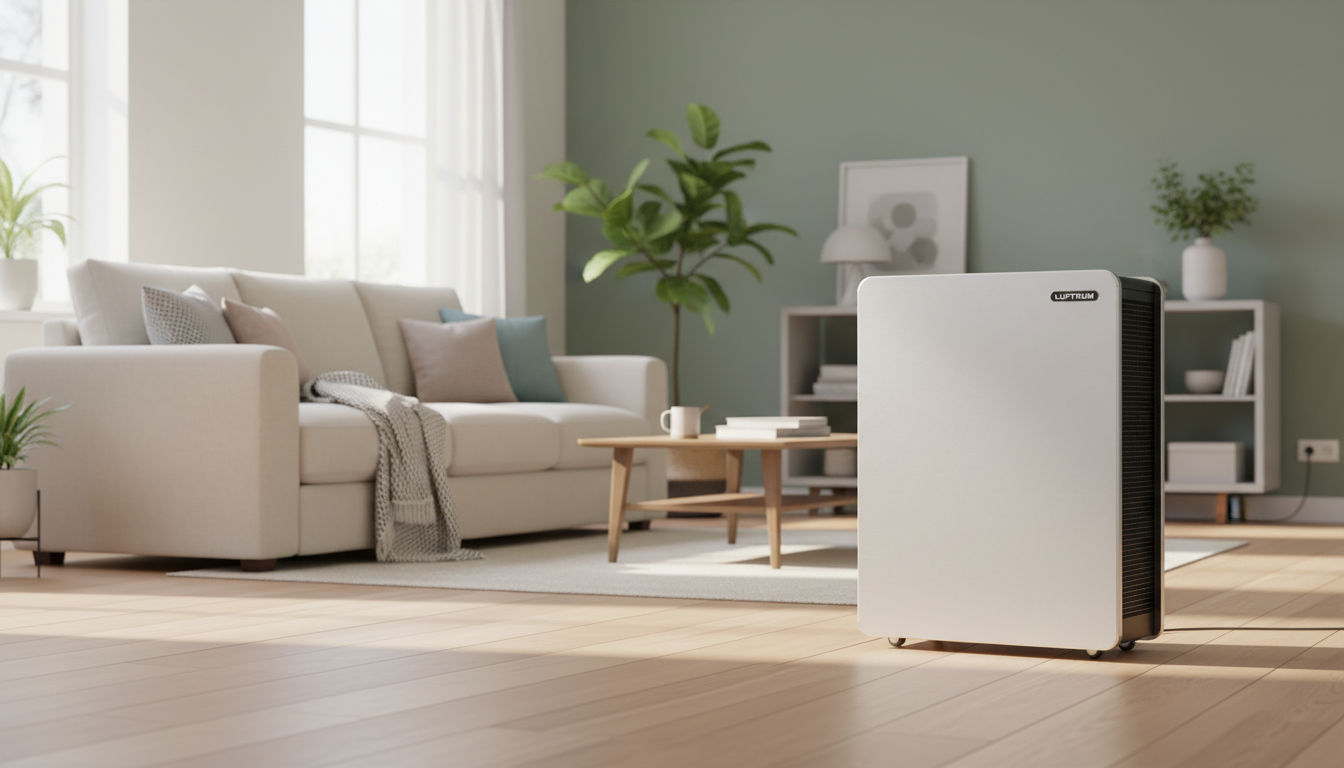
Powerful Air Purifier for Rooms: Cleaner Air for Large Spaces, Allergies, and Everyday Comfort
A powerful air purifier can make a noticeable difference in how a room feels—reducing lingering odors, capturing airborne particles, and helping maintain a fresher environment in busy households. For larger rooms, performance comes down to airflow, filtration, and how consistently the unit can clean the air without becoming disruptive or expensive to run.
What “Powerful” Means for Room Air Cleaning
“Powerful” isn’t just about a loud fan. In real homes, it means a purifier can move enough air to keep up with what’s happening in the space—people walking through, pets shedding, doors opening, cooking aromas drifting, and HVAC cycles pushing particles around.
- Prioritize airflow and turnover: A strong unit can circulate and clean more air each hour, which matters most in open-concept layouts and high-ceiling rooms.
- Match capacity to the room size: An undersized purifier may run constantly at max speed yet still struggle to noticeably improve air quality.
- Look for balanced performance: Effective filtration plus steady circulation tends to outperform “fast but leaky” airflow that doesn’t capture much.
- Expect changing conditions: Indoor air isn’t static—everyday activity continuously adds new particles to remove.
Key Features That Matter Most in Large Rooms
Large-room performance usually comes down to filtration quality, odor control, and usability features that keep the purifier running consistently rather than being switched off due to noise or hassle.
- Filtration layers: A true high-efficiency particle filter helps capture fine particles (like dust, pollen, and smoke-sized particulates), while a pre-filter can trap larger debris such as hair.
- Activated carbon / odor media: Useful for cooking smells, pet odors, and musty “lived-in” air that can linger in shared spaces.
- Fan speeds + auto modes: A higher speed can clear the air faster after an event; a quieter setting helps maintain clean air overnight.
- Sensors and clear indicators: Helpful for kitchens, wildfire seasons, and allergy flare-ups when conditions can change quickly.
- Maintenance-friendly design: Easy filter access and a clear replacement schedule reduce the odds of running with clogged filters.
- Energy use and operating cost: A purifier is most effective when it runs regularly—reasonable electricity use and filter costs make that realistic.
Quick comparison: features to prioritize by room needs
| Room situation | Top priority | Why it helps | Nice-to-have |
|---|---|---|---|
| Open living room / great room | High airflow + strong particle filtration | Faster turnover in bigger air volume | Auto mode with sensor |
| Homes with pets | Washable pre-filter + odor media | Captures fur/dander and reduces smells | Filter-change indicator |
| Allergy season | High-efficiency particle filter | Reduces pollen and fine dust load | Night mode for bedrooms |
| Cooking-heavy households | Carbon/odor control | Targets lingering odors and some gases | Boost mode for short bursts |
| Wildfire smoke periods | High-efficiency particle filter + seal quality | Improves fine-particle reduction | Real-time PM display |
Sizing a Purifier to the Room (Without Guesswork)
Getting the right size is the difference between “barely noticeable” and “you can feel the room is fresher.” Square footage is a starting point, but the real goal is ensuring the purifier can handle the actual air volume and airflow patterns.
- Measure square footage and consider connected spaces—hallways, staircases, and open doorways effectively make the “room” larger.
- Choose a unit designed for big spaces, not a small-room model pushed to its loudest setting all day.
- Account for ceiling height: Tall ceilings add a lot of air volume even when the floor area is the same.
- Place it to prevent short-cycling: Keep some distance from walls and large furniture so it can pull and push air freely.
- For multi-zone areas (living + kitchen), one higher-capacity purifier is often simpler than juggling multiple small units.
Noise, Sleep, and Day-to-Day Usability
Care and Operating Costs That Affect Long-Term Performance
For deeper guidance on how air cleaners work and where they fit in a home strategy, review the EPA’s overview of air cleaners and air filters and the AHAM guidance on CADR and room air cleaners. For situations where ventilation is appropriate and safe, the CDC’s home ventilation recommendations are a helpful reference.
Recommended Option for Large Rooms
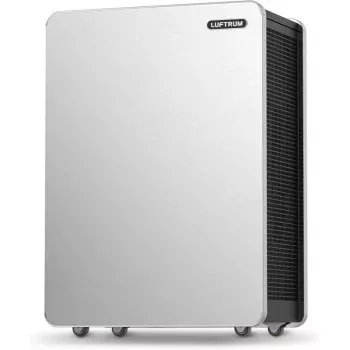
- Powerful Air Purifier for Large Rooms: Built for higher-capacity room cleaning where small-room purifiers may struggle to make a noticeable dent.
- Best suited for: Larger shared areas such as living rooms, open-plan spaces, and active households that generate dust and odors.
- Simple routine: Position it where air can circulate freely and run a higher speed briefly after cooking, cleaning, or high-traffic periods.
At-a-glance product details
| Product | Price | Availability | Best for |
|---|---|---|---|
| Powerful Air Purifier for Large Rooms | $250.97 | In stock | Large rooms and stronger daily air cleaning |
Getting Better Results: Placement and Room Habits
More in-stock picks to browse
- Luxury Modern Crystal Chandelier for Living Room, Dining Room & Bedroom
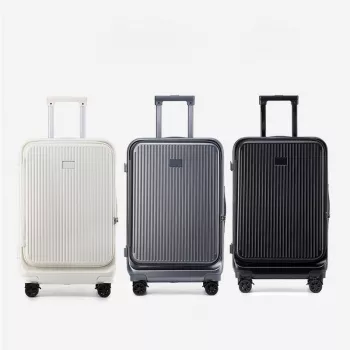
- 20-Inch Rolling Trolley Suitcase with Front Opening and Password Lock
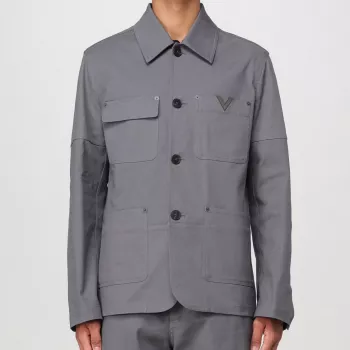
- Valentino Cotton Caban Jacket
FAQ
How long should an air purifier run each day in a large room?
For consistent results, run it continuously or close to it, since particles rebuild quickly when the unit is off. Use a higher speed after cooking, cleaning, or heavy foot traffic, then drop back to auto or low to maintain comfort.
Do air purifiers help with odors and smoke?
They can help, but it depends on what you’re trying to remove. High-efficiency particle filtration targets smoke particles, while activated carbon or odor-control media helps reduce odors; very strong gaseous pollutants may still require ventilation when conditions are safe.
Where should a powerful air purifier be placed for best performance?
Place it in an open area with unobstructed intake and exhaust, leaving space away from walls and large furniture. Prioritize the room you use most and avoid corners; keeping doors and windows consistent helps the purifier clean the space faster.









Leave a comment