Kiton Regular-Fit Pants: Adjustable Waist, Monochrome
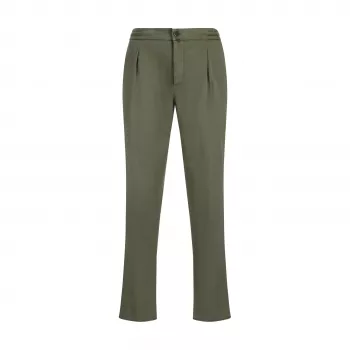
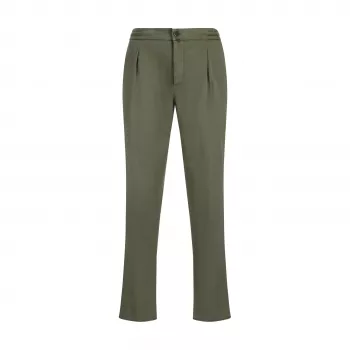
Kiton Men’s Regular Fit Pants with Adjustable Waistband and Monochrome Design
Regular-fit trousers with an adjustable waistband are built for days when comfort has to keep up with a polished look. This pair pairs a clean monochrome aesthetic with easy wearability, making it suitable for office styling, dinners, and travel where a neat silhouette still matters. If you prefer classic proportions but don’t want to feel “locked in” at the waist after hours of sitting, an adjustable waistband can be the difference between wearing pants you tolerate and pants you actually reach for.
What Sets These Pants Apart
- Regular fit designed to balance room through the leg with a refined outline.
- Adjustable waistband for flexibility across long days, seated hours, and post-meal comfort.
- Monochrome design that simplifies matching with shirts, knitwear, and outerwear.
- Easy range from dress-casual to elevated smart looks depending on footwear and layering.
- Comfort features without the “athleisure” look, ideal for shoppers who want discretion.
If you’re shopping specifically for a versatile, understated pair, see Kiton Men’s Regular Fit Pants with Adjustable Waistband and Monochrome Design for the full product details and current availability.
Fit and Silhouette: Regular Without Feeling Loose
Regular fit is often the most forgiving silhouette because it avoids extremes: it doesn’t cling like a skinny cut, and it doesn’t overwhelm the body like an oversized leg. Typically, you’ll see a straight, easy line from thigh to hem, which reads clean in professional settings and still feels relaxed when you’re off the clock.
- Balanced leg shape supports natural movement without looking baggy.
- A comfortable rise helps tucked-in shirts stay tidy, especially when standing up after sitting.
- Versatile hem works with loafers, dress sneakers, and many boot profiles.
- Hemming tip: a slight break (hem lightly touching the shoe) often looks sharp with minimal stacking.
- If between sizes, prioritize a comfortable waist; inseam and hem are easier to tailor than the waist structure.
Adjustable Waistband: Comfort That Stays Discreet
An adjustable waistband is most valuable when it doesn’t announce itself. The goal is a fit you can fine-tune throughout the day while keeping the front of the pants clean and presentable—especially important when wearing a tucked-in shirt or a short jacket.
- Day-long flexibility helps the pants feel consistent from morning commute to evening plans.
- Travel-friendly for flights, long drives, conferences, and events where you alternate between sitting and standing.
- Less belt strain can reduce the need to cinch tightly just to keep the waist stable.
- Belt pairing: a leather dress belt for more formal looks; suede or woven belts for smart-casual.
- Tailoring order: confirm your preferred adjustment range first, then tailor length and final shape.
Monochrome Styling: Easy Pairing, Cleaner Outfits
Monochrome pants tend to “anchor” an outfit. They reduce decision fatigue because they match with most wardrobe staples, and they help your overall look appear intentional even with simple pieces. When color is restrained, the outfit’s polish often comes from fit, fabric, and texture.
- Tonal dressing: pair with a knit or sweater in a similar shade for a streamlined, modern look.
- Clean contrast: add a crisp shirt for definition (think light-on-dark or dark-on-light).
- Use texture for depth: mix matte and subtle-sheen fabrics to prevent the outfit from looking flat.
- Business-leaning: add a structured jacket and understated leather shoes.
- Off-duty polish: a minimal tee or knit polo plus refined sneakers keeps things relaxed but sharp.
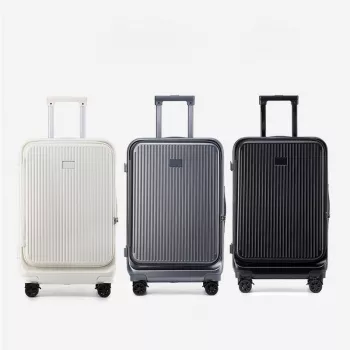
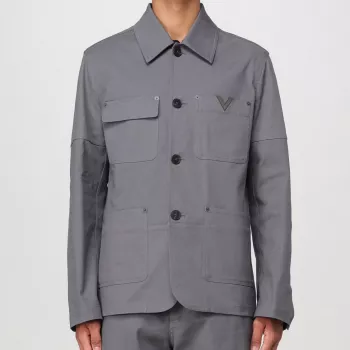
For a strong outerwear pairing that stays elevated while still feeling wearable, consider layering with the Valentino Cotton Caban Jacket. For frequent travelers building a coordinated capsule, adding a practical companion like the 20-Inch Rolling Trolley Suitcase with Front Opening and Password Lock can keep the “smart and ready” theme consistent from door to destination.
Measurement Checklist Before Buying
Even with an adjustable waistband, measurements matter—especially if you want the leg to drape cleanly. The easiest approach is to measure a pair you already own that fits the way you want, then compare those numbers to the size guide.
How to Measure for a Confident Fit
| Measurement | How to measure | Why it matters |
|---|---|---|
| Waist | Lay pants flat and measure across the waistband; double the number | Determines comfort and whether the adjustable waistband will be enough |
| Front rise | From crotch seam to top of front waistband | Affects comfort when sitting and how the pants sit on the hips/waist |
| Thigh | Measure across thigh about 1 inch below the crotch; double it | Predicts room for movement and a clean drape |
| Inseam | From crotch seam to hem along the inside leg | Determines length and how the hem breaks over shoes |
| Hem opening | Measure across the hem; double it | Guides pairing with footwear and overall silhouette |
Care and Longevity
For care-label standards and guidance, see the FTC Care Labeling Rule. For broader industry context on fashion and design, the CFDA is a helpful reference point.
When These Pants Make the Most Sense
FAQ
Does an adjustable waistband change how the pants look with a shirt tucked in?
Typically, the adjustment is built in discreetly, so the waistband still looks clean with a tuck. For the smoothest finish, set the waist to a comfortable position before tucking, then use a belt that lies flat and doesn’t create bunching.
Are regular-fit pants appropriate for business settings?
Yes—regular fit is a common business silhouette because it looks classic and balanced. The overall formality comes down to fabric, color, and styling, and monochrome outfits generally read more polished when paired with a proper shirt, jacket, and refined shoes.
What’s the easiest way to get the right length?
Measure the inseam from a pair you already like, then factor in the shoes you’ll wear most often. If you’re aiming for a clean break (from no break to slight break), a tailor can hem to your preference for the most precise result.











Leave a comment