Hydrogen Inhalation Machines: Use, Safety, and Buying Tips
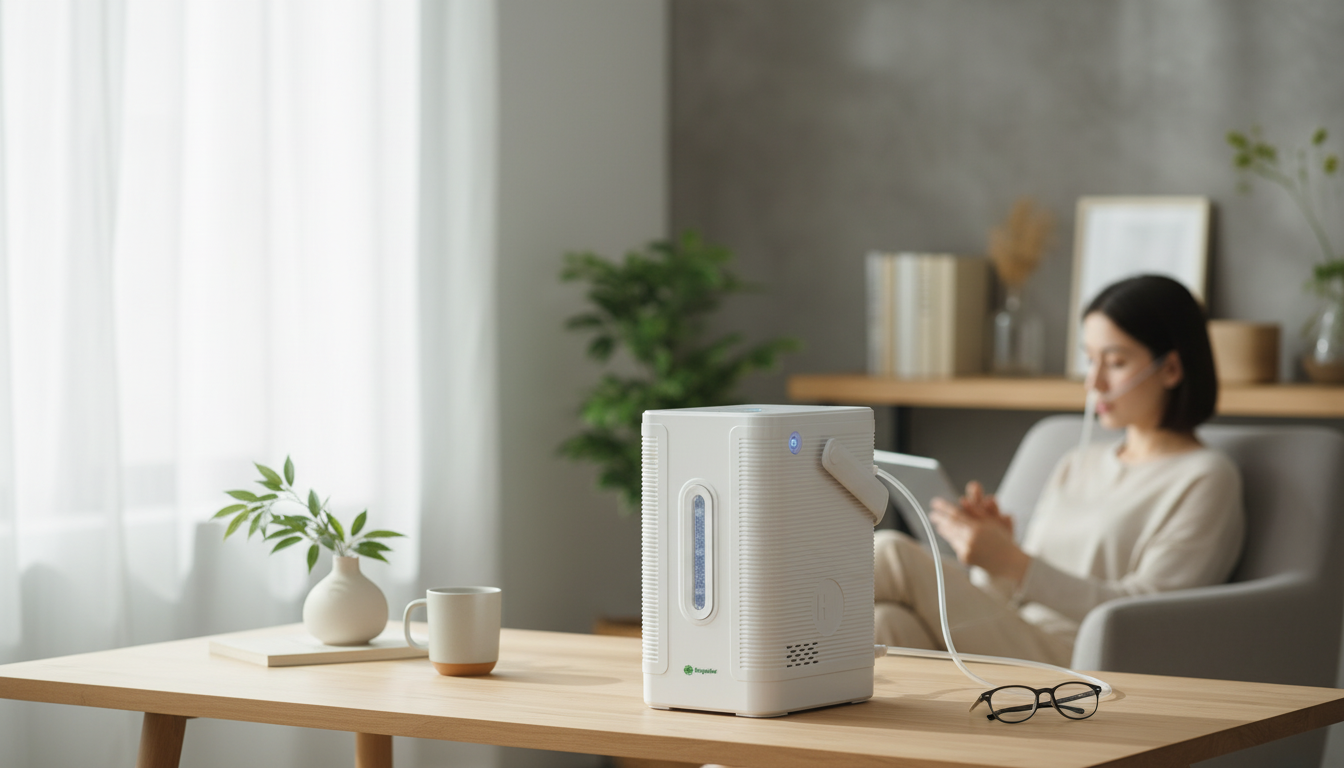
Hydrogen Inhalation Machine: How It Works, Safety Basics, and What to Expect
Hydrogen inhalation machines generate a controlled flow of hydrogen gas intended for inhalation through a nasal cannula or mask. Interest in these devices often centers on wellness routines and emerging research into hydrogen’s antioxidant signaling. This guide explains the core technology, practical use, safety considerations, and key features to compare before buying.
What a hydrogen inhalation machine is
A hydrogen inhalation machine is an at-home device designed to produce molecular hydrogen (H2) gas and deliver it for inhalation, usually through a nasal cannula or a mask. Most models generate hydrogen from water using electrolysis, then route the gas through tubing to the user.
Typical components include a main generator unit, a water reservoir, internal filtration or moisture-management parts (such as a bubbler, dryer, or desiccant), and a gas outlet designed to connect to cannula tubing. Some units also produce oxygen (O2) as a byproduct; what happens to that oxygen depends on the model (vented, mixed at a set ratio, or routed separately).
Use cases people discuss range from relaxation routines and recovery-focused wellness practices to research-adjacent personal experimentation. These devices are not a substitute for medical care, diagnosis, or treatment.
How hydrogen inhalation works (high-level)
At the core is electrolysis: an electrical current splits water into hydrogen and oxygen. Many consumer devices use either PEM (proton exchange membrane) technology or alkaline electrolysis. PEM designs are often marketed for cleaner separation, while alkaline designs can be cost-effective but may have different maintenance and filtration considerations.
After hydrogen is generated, the device typically manages humidity before delivery. Hydrogen leaving a wet system can carry moisture, and overly humid airflow may feel irritating for some users. A bubbler, dryer, or equivalent moisture-control stage helps make sessions more comfortable and can reduce condensation in tubing.
Flow rate controls determine how much gas is delivered per minute and how adjustable the experience is. Some machines offer continuous mode, while others rely on timed sessions with automatic shutoff. Purity and overall “cleanliness” of output depend on the electrolysis design, the water used, internal filtration, and how well the system is maintained.
Benefits people look for (and what evidence can and can’t say)
Hydrogen has been studied for potential antioxidant-related signaling and anti-inflammatory pathways across different delivery methods (including inhalation, hydrogen-rich water, and hydrogen-rich saline). Research results vary by the condition studied, dose, duration, and measurement methods. For an overview of published studies, browse the research database at NCBI.
In everyday wellness use, common goals include perceived improvements in energy, sleep quality, exercise recovery, and general well-being. Real-world experiences vary widely—some people report noticeable effects, while others feel minimal change.
Because clinical evidence is still developing, any device or marketing that claims to treat, cure, or prevent disease should be treated with caution. Anyone managing a medical condition (especially respiratory or cardiovascular issues) should consult a qualified clinician before starting a new inhalation routine.
Safety essentials and practical precautions
Hydrogen is flammable. That doesn’t mean it’s inherently unsafe to use a properly designed device correctly, but it does mean the environment and handling matter.
- Ventilation matters: Operate in a well-ventilated area and avoid small enclosed spaces where gas could accumulate. Keep the unit’s vents unobstructed.
- Keep away from ignition sources: No smoking, open flames, sparks, candles, or high-heat appliances nearby during operation.
- Follow manufacturer room guidance: If the brand specifies minimum room size or ventilation requirements, treat them as non-negotiable.
- Use the recommended water type: Many machines specify distilled or deionized water to reduce mineral buildup and protect internal components.
- Keep consumables clean: Tubing, cannulas, and moisture-management parts should be cleaned or replaced on schedule to reduce contamination risk and odors.
- Stop if you feel unwell: If headaches, dizziness, chest discomfort, or respiratory irritation occur, discontinue use and seek medical advice.
For general safety context on hydrogen’s properties and flammability considerations, see the National Fire Protection Association (NFPA) resources.
Key features to compare before buying
Quick comparison checklist for home hydrogen inhalation devices
| Feature | Why it matters | What to look for |
|---|---|---|
| Flow rate control | Comfort and dose consistency | Clearly stated L/min range and stable output |
| Purity & filtration | Reduces unwanted byproducts and odors | PEM or well-documented filtration/drying stages |
| Moisture management | Prevents overly wet airflow | Bubbler + dryer or equivalent humidity control |
| Maintenance schedule | Predictable running costs | Replaceable filters and easy cleaning access |
| Safety features | Reduces misuse and hazards | Auto shutoff, alarms, sturdy fittings, ventilation guidance |
Using a hydrogen inhalation machine at home: a simple routine
Maintenance and ownership costs
Product options available
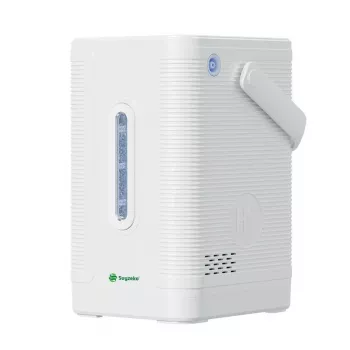
- Hydrogen Inhalation Machine (In stock) — A dedicated unit designed for at-home hydrogen gas generation and inhalation routines.
- 20-Inch Rolling Trolley Suitcase with Front Opening and Password Lock (In stock) — Useful for organized storage or transporting accessories and supplies if you keep wellness gear in one place.
- Luxury Modern Crystal Chandelier for Living Room, Dining Room & Bedroom (In stock) — A lighting upgrade that can help create a calmer, dedicated space for evening wind-down routines.
FAQ
Is hydrogen inhalation safe for home use?
It can be used at home when the device is operated exactly as directed, with strong attention to ventilation and fire safety since hydrogen is flammable. Avoid flames and sparks, and consult a clinician before use if you have medical conditions, especially respiratory issues.
How long is a typical session?
Many people use sessions in the range of 10–60 minutes depending on the device and individual tolerance. Starting with shorter sessions at a lower flow rate is a practical way to gauge comfort before increasing time.
Do you need distilled water?
Often, yes—many machines specify distilled or deionized water to reduce mineral buildup and protect internal components. Using the wrong water type can increase cleaning needs and may affect performance over time.















Leave a comment