High-Waist Leggings That Stay Put: Yoga, Run & Gym
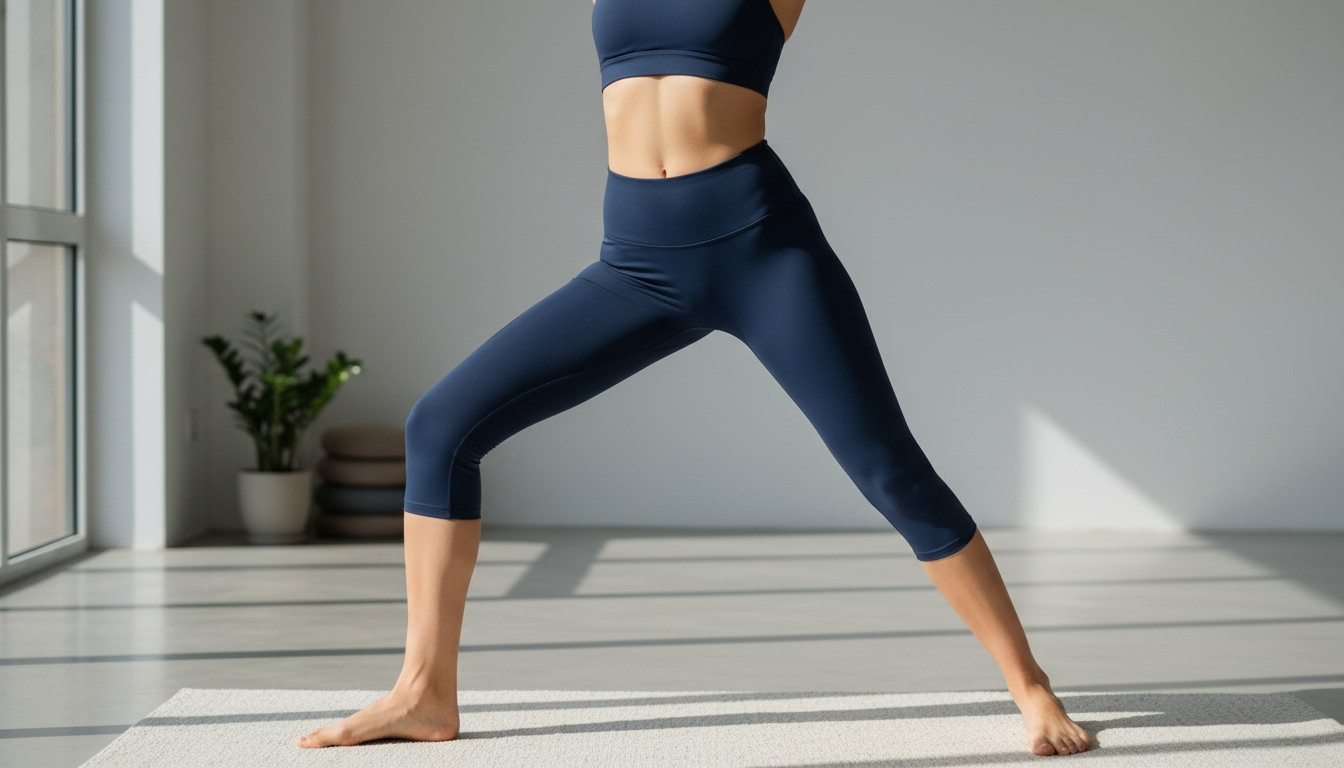
High-Waist Yoga Pants for Training, Running, and Everyday Comfort
High-waist leggings can simplify workouts by combining core support, a secure fit, and a streamlined look that transitions from studio sessions to errands. The difference between “wearable all day” and “constantly adjusting” usually comes down to waistband build, fabric recovery, squat confidence, and choosing the right pair for the activity on the schedule.
What Makes High-Waist Leggings Feel Secure
A secure feel starts at the top. A wide, high-rise waistband spreads pressure across more surface area, which helps reduce rolling and digging during forward folds, deep squats, and seated stretches. Instead of a tight squeeze at one point, the waistband should feel steady and smooth.
Look for even compression through the waist and hips. When compression is consistent, leggings can feel “held-in” without making breathing feel shallow or restricted. If the waist feels comfortable standing but pinches when you sit, the top edge is likely too narrow or too firm for your torso.
Seams are the quiet deal-breaker—especially for running and cycling. Flatter seams and clean seam placement reduce friction in repetitive movement, helping prevent hot spots around the inner thigh, hip crease, and waistband edge.
Fit and Lift: Shaping Without Stiffness
A shaping effect usually comes from fabric density, strategic seam lines, and stable compression—not from buying a size that’s uncomfortably tight. If leggings look “snatched” in the mirror but feel restrictive during a warm-up, they’ll be hard to tolerate for a full session.
For a lifted look that also performs, prioritize a snug (not painful) fit across the glutes and upper thigh. That area takes the most tension during lunges, step-ups, and hill walking; if it’s loose, fabric can shift and slide down as you move.
If leggings “creep down,” sizing up often makes slippage worse because the waistband no longer anchors against the waist. A better fix is choosing a pair with a stronger waistband-to-hip ratio and better recovery (the bounce-back that helps the fabric return to shape after stretching).
Fabric Comfort: Stretch, Breathability, and Coverage
Four-way stretch is a must for yoga flows, gym training, and anything with frequent transitions (down dog to lunge to stand). It allows the fabric to move with hips, knees, and ankles without pulling at the seams.
Breathable knits help manage heat buildup during intervals and longer runs. If leggings feel great in the first 10 minutes but turn clammy later, the fabric may be holding moisture against the skin.
Coverage matters just as much as comfort. Squat confidence is the practical test: the fabric should remain opaque under tension and in bright lighting—because indoor lighting, sunlight, and gym mirrors can be less forgiving than a bedroom mirror.
Quick fabric-and-coverage check
| What to check | Why it matters | What “good” looks like |
|---|---|---|
| Stretch recovery | Prevents bagging at knees and waist slippage | Returns to shape quickly after a pull |
| Opacity under tension | Avoids sheerness during squats | Looks uniform and non-see-through |
| Moisture feel | Improves comfort in sweaty sessions | Feels dry-ish rather than clammy |
| Seam smoothness | Reduces chafing on runs | Flat, soft seams with minimal rubbing |
Best Uses: Yoga, Running, and Gym Days
Yoga and Pilates: A high-rise waistband, smooth seams, and flexible stretch support deep bends and twists. When the fabric moves with you, you can focus on positioning instead of pulling fabric back into place.
Running: Choose stay-put support at the waist and thighs to reduce constant adjusting. A secure fit also helps reduce inner-thigh rubbing over longer distances, especially when seams are flat and placed away from high-friction zones.
Strength training: Prioritize opacity for squats and deadlifts and a stable feel during hip-hinge movements. Leggings should feel “locked in” enough to stay put through sets, without restricting depth or breathing.
Low-impact everyday wear: Softer compression and a comfortable waistband can be easier to wear for long hours, whether you’re working from home, traveling, or walking the dog.
For general movement guidance and safe training progression, reliable resources like the American Council on Exercise (ACE) and the CDC physical activity basics offer helpful, practical references.
Sizing and Fit Tips (Without Guesswork)
At-home fit test (2 minutes)
| Test | How to do it | Pass criteria |
|---|---|---|
| Squat test | Do 3 slow squats in bright light | Fabric stays opaque; no seam strain |
| Jump test | Do 10 jumping jacks | Waist stays in place; no tugging needed |
| Lunge test | Alternate lunges for 30 seconds | No pulling at knees; no slipping at hips |
| Comfort test | Sit for 2 minutes | Waistband doesn’t dig or fold |
Care and Longevity
A Budget-Friendly Pick to Refresh a Workout Wardrobe
For a straightforward option that balances support and everyday versatility, consider High Waist Yoga Pants Women Fitness Leggings Push-Up Running Gym Tights.
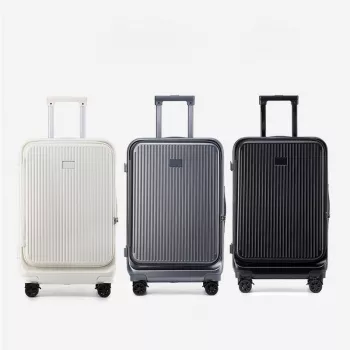
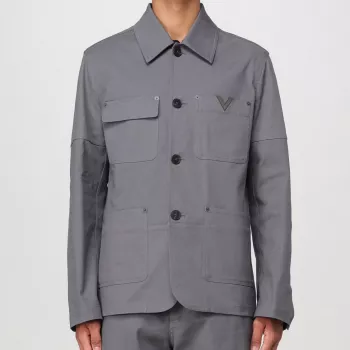
If you’re building a simple gym-to-weekend setup, a few complementary picks can round out the routine: Valentino Cotton Caban Jacket for easy layering and 20-Inch Rolling Trolley Suitcase with Front Opening and Password Lock for travel or packed training days.
FAQ
How can leggings feel supportive without feeling too tight?
Support comes from a wide waistband, strong fabric recovery, and even compression—not from painful tightness. If you notice pinching, restricted breathing, or sheerness, the fit is too small; a secure fit stays up without rolling down and feels comfortable through the core.
How do you check if leggings are squat-proof?
Do a squat test in bright light (near a window or under strong indoor lighting) and check for opacity and seam strain. If the fabric turns see-through, choose a denser fabric or a better-fitting size rather than sizing down further.
Are high-waist leggings good for running?
Yes—high-waist leggings can be excellent for running because a stable waistband helps reduce slipping and constant adjusting. Prioritize smooth seams and correct sizing to help minimize chafing on longer efforts.














Leave a comment