Dr. Martens Women’s Black Leather Slip-Ons: Fit & Care

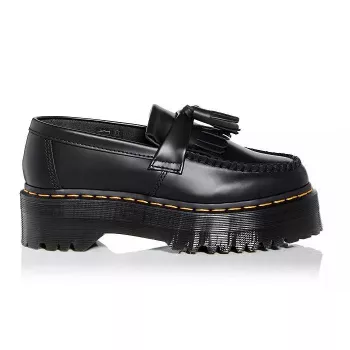
Dr. Martens Women’s Leather Black Slip-On Shoes: Everyday Polish, Easy On/Off
Leather slip-on shoes are a go-to when a wardrobe needs something quick to wear, sturdy enough for daily walking, and polished enough for work or dinner. Dr. Martens women’s leather slip-ons lean into that balance with a clean, minimal profile and the brand’s well-known durability cues—built to handle regular use while staying easy to style with denim, tailored pants, or dresses. For more guidance, see Dr. Martens 1461 Leather Oxford Shoe – Detailed Review.
At a glance
- Type: women’s leather slip-on shoes in black
- Best for: everyday wear, commuting, casual-to-smart outfits, travel days that require easy on/off
- Why they stand out: leather upper, streamlined slip-on design, and an iconic brand known for long-wearing construction
- Current availability: in stock
| Detail | What to know |
|---|---|
| Model | Dr. Martens Women’s Leather Black Slip-On Shoes |
| Upper material | Leather |
| Color | Black |
| Closure | Slip-on |
| Price | 151.51 USD |
| Stock status | In stock |
Materials and build quality
One reason black leather slip-ons stay in heavy rotation is the way leather naturally threads the needle between relaxed and refined. Compared with canvas or knit, leather tends to hold a more structured shape, which can make even simple outfits look intentional. With normal wear, it can also develop character—subtle creasing and softening that looks better over time when the upper is kept clean and conditioned. For further reading, see Dr Martens 2976 Boots – A Detailed Review | WorkWear.org.
- Leather uppers typically offer a more structured look than canvas slip-ons and can age attractively with proper conditioning.
- Black leather is practical for frequent wear because scuffs and dust are easier to disguise with simple maintenance.
- Slip-on construction reduces friction points from laces and hardware, but fit becomes more important since there’s less adjustability.
- Expect the shoe to feel firmer at first compared to knit or fabric slip-ons; leather usually softens as it warms and flexes with use.
For a deeper dive into leather standards and responsible practices, the Leather Working Group is a helpful reference point. And for brand-specific maintenance guidance, Dr. Martens shares care recommendations in their shoe care guides.
Fit and sizing notes for slip-ons
Because slip-ons don’t have laces to fine-tune the volume, the “right size” is mostly about secure heel hold and stable midfoot contact. A pair that’s slightly too big can feel fine when standing, then become annoying after a few blocks when the heel starts lifting. On the other hand, a pair that’s too snug across the top of the foot can create pressure, especially for higher insteps.
- A good slip-on fit should feel secure at the heel with minimal lift while walking; excessive heel slip often means the size is too large or the shoe hasn’t molded yet.
- Toe room matters: aim for comfortable wiggle space without the foot sliding forward, especially if wearing thinner socks.
- If between sizes, consider how the shoe will be worn most often (barefoot/liners vs. thicker socks) and how leather can relax slightly over time.
- For higher insteps, slip-ons can feel tighter across the top of the foot; gradual break-in and thinner socks can help during the first wears.
If the fit is close but not perfect, small adjustments can make a big difference: thin no-show liners can reduce internal slip, while a slightly cushioned sock can “take up” a touch of extra space during the first week.
Comfort and break-in expectations
Leather slip-ons often start out feeling more substantial than fabric slip-ons. That’s not necessarily a downside—many shoppers like the supportive, secure feel once the upper relaxes. The goal is to break them in gradually so the shoe warms and flexes without creating hotspots.
- Leather footwear often improves after several short wears; starting with 30–60 minute sessions can reduce hotspots.
- Socks can change the experience dramatically—try cushioned crew socks early on, then shift to lighter socks once the upper softens.
- If rubbing occurs, focus on common areas like the heel edge and vamp; moleskin or blister patches can help during the adjustment period.
- A supportive insole (if compatible with the fit) can add cushioning for long days, but avoid making the shoe too tight.
A practical approach is to wear them for a short errand, then increase time on-foot over a few days. By the time they’re ready for a long commute, the upper typically feels less rigid and the heel becomes more cooperative.
How to style black leather slip-ons
Black leather slip-ons are a rare “quiet” shoe that still reads confident. They work best when the rest of the outfit keeps clean lines—think straight seams, intentional layers, and a balanced silhouette.
Care tips to keep leather looking sharp
What to check before buying
In-stock picks to shop now
- Dr. Martens Women’s Leather Black Slip-On Shoes (151.51 USD)
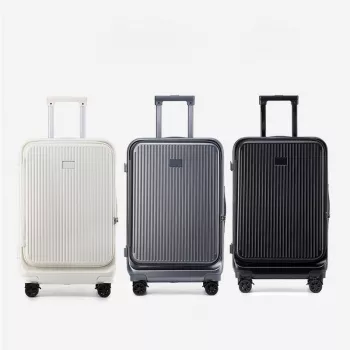
- 20-Inch Rolling Trolley Suitcase with Front Opening and Password Lock (328.01 USD)
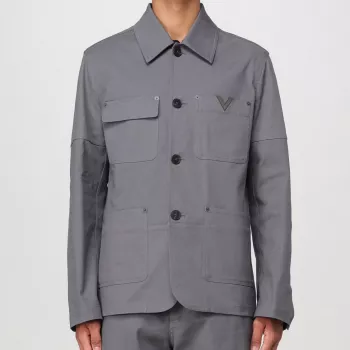
- Valentino Cotton Caban Jacket (1616.76 USD)
FAQ
Do leather slip-on shoes stretch over time?
Leather typically relaxes and molds slightly with wear, but it shouldn’t rely on stretching to fix a clearly wrong size. Aim for a secure heel and comfortable toe room from the start.
How can heel slipping be reduced in slip-on shoes?
Try slightly thicker socks during break-in and consider heel grips or adhesive pads. If the slip is significant, sizing down or switching sizes is usually the better fix than forcing a loose fit.
What’s the best way to clean black leather shoes?
Wipe them with a soft cloth to remove dust, then use a leather cleaner for marks as needed. Finish with conditioner (and polish if desired), and let them air-dry away from direct heat.













Leave a comment