Copper & Glass Postmodern Chandelier: Luxe Room Glow
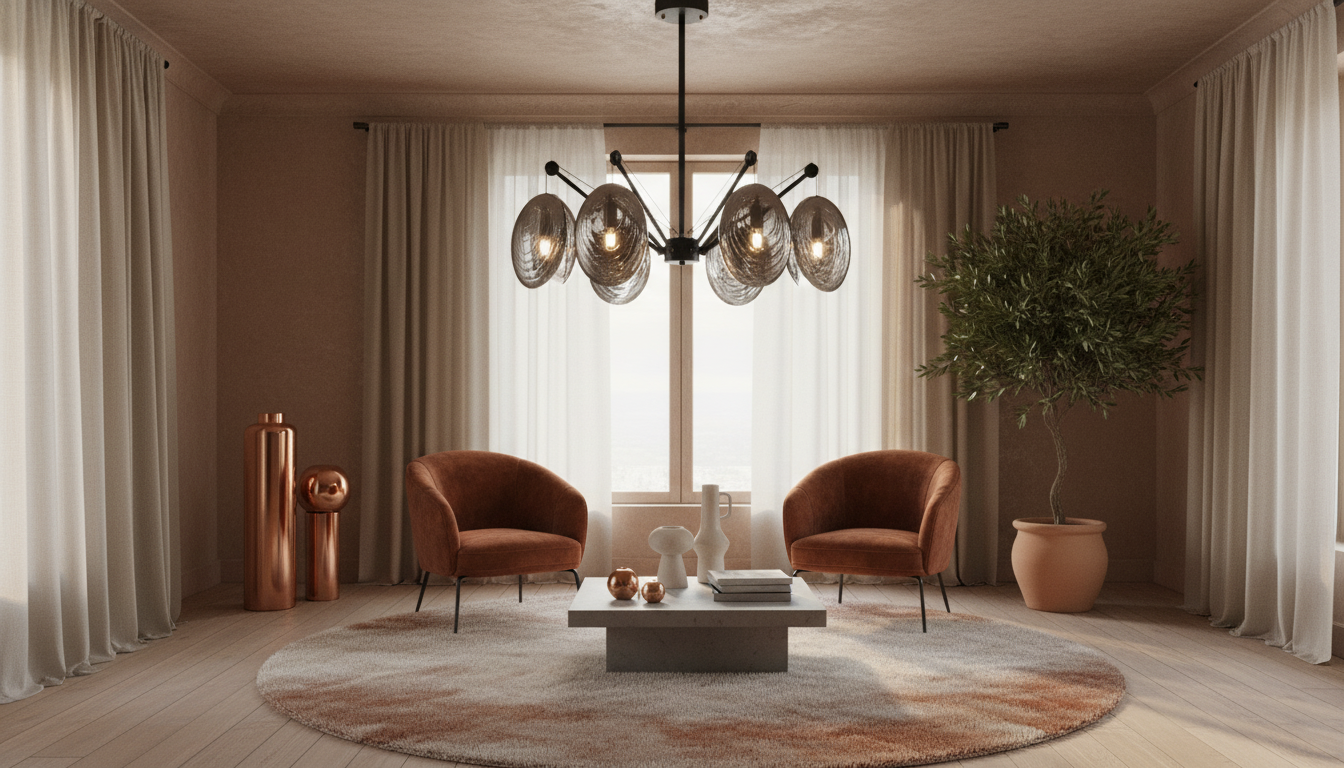
Luxury Postmodern Copper Glass Chandelier for Living Room and Dining Spaces
A copper-and-glass chandelier can anchor a room the way a statement piece of furniture does: it defines the mood, adds depth through reflective surfaces, and sets the tone for everyday living and hosting. Postmodern styling pairs warm metallic finishes with luminous glass to create layered light that feels both architectural and inviting—especially over dining tables and in main living areas where proportion, glare control, and dimming matter.
What Makes Copper and Glass Feel Distinctive
Copper brings an inherent warmth that reads softer and richer than many cool-tone metals. Under warm-white bulbs, it takes on a gentle glow rather than a sharp shine, which helps living rooms and dining spaces feel more relaxed and “finished” even when the rest of the palette is simple.
Glass elements add the other half of the story: diffusion, refraction, and sparkle. Depending on whether the glass is clear or frosted, the fixture can either emphasize crisp highlights or smooth out hotspots to reduce glare. The postmodern angle comes through in the silhouette—clean geometry with sculptural presence—making it a natural fit for contemporary, eclectic, and transitional interiors.
Another advantage is how the materials behave across the day. In daylight, copper and glass reflect ambient light and bring dimension to the ceiling plane; at night, they produce a more layered glow with highlights that feel intentional rather than ornate.
Best Placements: Living Room vs. Dining Space
Placement is where a chandelier shifts from “pretty” to truly functional. In dining spaces, the goal is even illumination across the tabletop without blocking sightlines. In living rooms, the fixture often acts as a central ceiling feature, but it works best when paired with other layers of lighting so the room doesn’t rely on a single source.
For open-plan layouts, a chandelier can quietly define a zone without walls. Aligning the fixture with the dining table or main seating group creates visual order, while careful hanging height prevents glare when moving through the space.
Quick Placement Guidelines
| Space | Hanging Height (starting point) | Comfort Notes |
|---|---|---|
| Dining table | Bottom of fixture ~30–36 in above tabletop | Keeps sightlines open while lighting food and table settings evenly |
| Living room seating area | Maintain clear headroom; avoid low drops in walk paths | Use dimming to shift from bright task lighting to evening ambience |
| Entry-adjacent or open-plan zone | Higher hang to preserve circulation | Aim for a strong visual center without glare at eye level |
Sizing and Scale: Getting the Proportions Right
The most common mismatch is a fixture that’s either visually underpowered for the room or so large it crowds the ceiling plane. Start by thinking in “visual weight,” not just inches. Glass can read airy and light, while copper arms, frames, and hardware add density. A copper-and-glass chandelier often looks substantial without feeling heavy, which is why it can work in both cozy dining rooms and larger living areas.
For dining rooms, size to the table so the chandelier stays comfortably within the tabletop perimeter. A widely used rule of thumb is to keep the fixture narrower than the table to avoid a cramped look at the edges—especially important when chairs are pulled out and guests are seated.
Also consider how the chandelier reads from multiple angles. If the room has competing focal points—like a bold fireplace surround or oversized art—choose a silhouette that complements rather than competes. Postmodern forms tend to do this well because they feel intentional but not overly decorative.
Light Quality, Bulbs, and Dimming for a Softer Glow
Great lighting is less about maximum brightness and more about control. Warm-white color temperatures (often in the 2700K–3000K range) typically flatter copper finishes and create an inviting atmosphere. For everyday living, aim for comfortable ambient light, then rely on dedicated task lighting—floor lamps, reading sconces, or a buffet lamp—where precision matters.
For energy-conscious upgrades and bulb selection basics, the U.S. Department of Energy provides clear guidance on efficient lighting options (Energy Saver: Lighting Choices). For deeper technical standards and recommended lighting practices, the Illuminating Engineering Society (IES) is a respected reference point.
Materials and Finish Care: Keeping Copper and Glass Looking New
Installation Notes and Safety Checks
Use the correct bulb type and wattage as specified for the fixture to prevent overheating and premature wear. If wiring, grounding, or dimmer pairing is uncertain, a licensed electrician can ensure safe operation. For general safety and certification context, UL Solutions offers helpful lighting information (UL Solutions).
Styling Ideas: Pairing with Furniture and Color
Featured Lighting Picks (In Stock)
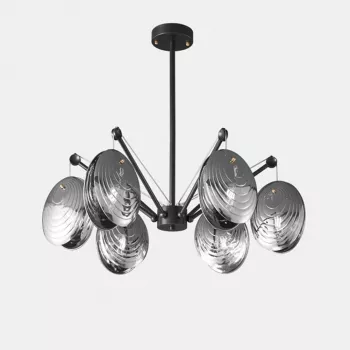
- Luxury Postmodern Copper Glass Chandelier for Living Room and Dining Spaces — a warm, architectural centerpiece that suits dining tables, main living areas, and open-plan zoning.
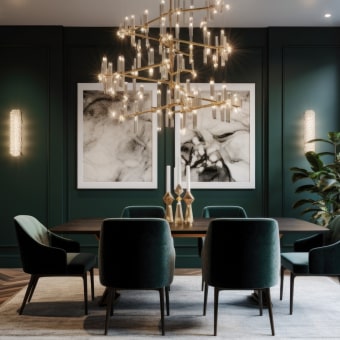
- Luxury Modern Crystal Chandelier for Living Room, Dining Room & Bedroom — a brighter, more refractive look that emphasizes sparkle and crisp highlights.
FAQ
How high should a chandelier hang above a dining table?
A common starting point is roughly 30–36 inches above the tabletop, then adjust based on ceiling height, fixture size, and whether sightlines feel open when seated.
What bulb color looks best with copper and glass?
Warm-white light is typically most flattering for copper tones and helps glass feel inviting rather than harsh. Choosing dimmable bulbs adds flexibility for both dining and relaxing.
How often should copper and glass fixtures be cleaned?
Light dusting as needed keeps reflections crisp, especially on glass. Deeper cleaning can be occasional—use gentle products and avoid abrasive cloths that can haze glass or damage finishes.












Leave a comment