6.5 ft 5-Digit Bike Cable Lock: Everyday Anti-Theft Tips
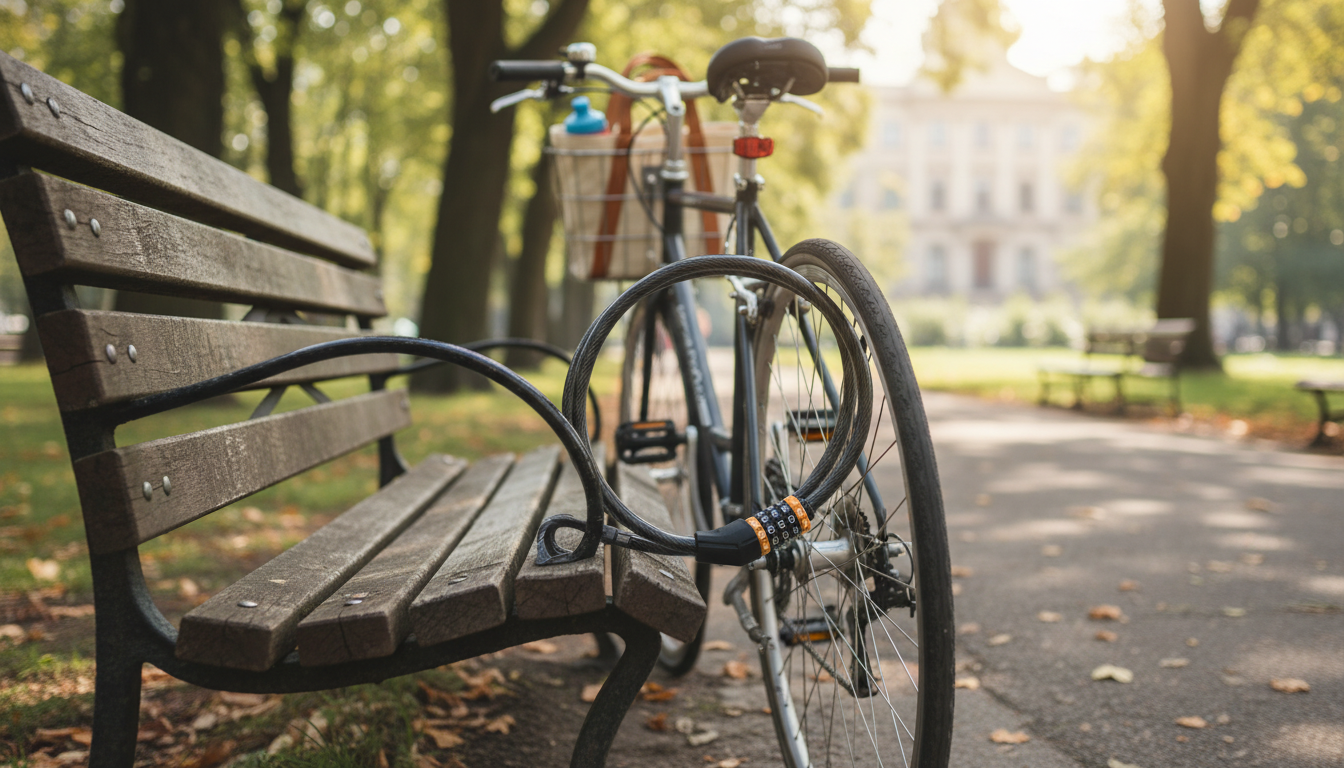
Heavy-Duty 5-Digit Bike Cable Lock (6.5 ft): Practical Anti-Theft Security for Everyday Parking
A long, heavy-duty cable lock with a resettable 5-digit combination can make daily locking faster and more flexible—especially when racks are crowded or multiple items need securing. A 6.5 ft cable is designed for reach: around big posts, through more components, and across odd rack layouts that shorter locks can’t handle. Below is a practical guide to where this style of lock shines, how to use it well, and how to avoid the most common security slip-ups.
When a 6.5 ft cable lock is the right choice
Not every stop calls for a bulky lock setup. A long cable lock is often the most convenient option for everyday parking where speed and flexibility matter, as long as the environment is moderate-risk and the bike isn’t left unattended for extended periods.
- Works well for quick stops and moderate-risk areas where convenience matters: coffee runs, campus buildings, errands, and indoor storage rooms.
- Extra length helps reach wide posts, awkward racks, or wrap through multiple frames/wheels (or two bikes) when needed.
- Useful beyond bikes: strollers, scooters, helmets, e-scooters, patio gear, and luggage handles can be bundled to a fixed object.
- Best paired with smart parking habits: visible locations, solid anchors, and minimal slack in the cable.
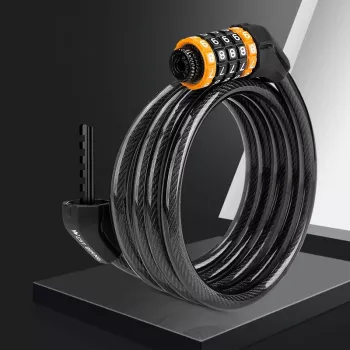
Product overview: Heavy-Duty 5-Digit Bike Cable Lock, 6.5 ft
The Heavy-Duty 5-Digit Bike Cable Lock, 6.5 ft Anti-Theft Security is built for routine deterrence—ideal for commuters, students, families, and anyone who wants to lock up quickly without managing keys. The resettable combination is especially helpful when the lock is shared among household members.
- Resettable 5-digit combination avoids keys and supports a large number of possible codes for everyday use.
- 6.5 ft cable length increases locking options around larger anchors and through multiple components.
- Designed for routine anti-theft deterrence for commuter bikes, kids’ bikes, and general outdoor gear.
- Good fit for riders who want a single lock that can handle varied parking situations without carrying multiple devices.
At-a-glance specs
| Feature | What it means in daily use |
|---|---|
| Lock type | Resettable 5-digit combination—no key to lose, quick to share a code with a family member if needed |
| Cable length | 6.5 ft—wraps around wider racks/posts and can secure more than one item |
| Primary use | Everyday anti-theft deterrence for bikes and outdoor gear |
| Best environment | Moderate-risk areas, short-to-medium stops, indoor/outdoor parking where a solid anchor is available |
Also handy for travel and multi-item lock-ups
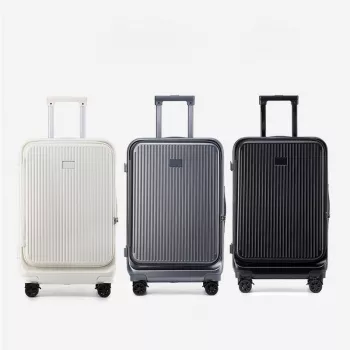
If you’re bundling gear beyond a bike—like securing a suitcase handle to a fixed point in a hotel storage area or during quick lobby stops—a cable lock’s length can be practical. For travelers who like built-in access control on their bag, the 20-Inch Rolling Trolley Suitcase with Front Opening and Password Lock is another option to consider for carry-on style trips.
How to lock a bike with a long cable (the “tight loop” method)
A long cable is only as effective as the way it’s routed. The goal is to secure high-value parts (frame and at least one wheel) while making the cable tight and awkward to attack.
Security realities: what cable locks deter—and what they don’t
Common mistakes and quick fixes
| Mistake | Why it’s risky | Better approach |
|---|---|---|
| Locking only the front wheel | Wheel can be removed quickly, leaving the frame behind | Run the cable through the frame and at least one wheel |
| Using flimsy anchors | Anchor can be lifted, bent, or unbolted | Use a fixed rack/post and check stability before locking |
| Leaving lots of slack | More room to insert tools and apply leverage | Pull the cable tight; use extra length to wrap additional loops |
| Lock resting on the ground | Ground provides leverage and hides tampering | Keep the lock body elevated and visible |
Setting and remembering a 5-digit combination safely
Care and longevity: keeping the cable and dial reliable
Who this lock fits best (and who should consider another setup)
Additional theft-prevention resources
For broader guidance on theft reduction and smart locking habits, these references are worth bookmarking: Sold Secure security ratings, BikeIndex theft prevention and registration, and the National Crime Prevention Council bicycle security tips.
FAQ
Can a 5-digit combination be reset?
Many 5-digit combination cable locks are resettable, allowing you to change the code when needed. Follow the included instructions, choose a unique code, and test it several times while the lock is open before using it on your bike.
What’s the safest way to use a long cable lock on a bike rack?
Run the cable through the frame and at least one wheel, then around a truly fixed rack or post, and pull it tight to remove slack. Keep the lock body off the ground in a visible position, and remove easy-to-steal accessories like lights and bags.
Is a cable lock enough for overnight parking?
Cable locks are effective for deterring opportunistic theft, but they’re generally less resistant to cutting tools during long, unattended periods. For overnight or higher-risk areas, layer security by adding a higher-resistance lock for the frame-to-rack connection and use the cable for wheels or accessories.














Leave a comment