Budgeting Like a Pro: Zero-Based, 50/30/20, Debt & Savings

Budgeting Like a Pro: A Practical System for Zero-Based Budgets, Pay-Yourself-First, Debt Payoff, and Savings
A budget works best when it’s a repeatable system: money comes in, every dollar gets a job, goals get funded first, and spending stays realistic. The approach below combines zero-based budgeting, the 50/30/20 framework, and pay-yourself-first habits into one clear routine—plus a simple way to track debt payoff and savings progress without getting overwhelmed.
What “budgeting like a pro” actually looks like
- Assign every dollar a job before it’s spent, then track just enough to stay on course.
- Automate the important moves (saving, investing, debt payments) so progress happens even on busy weeks.
- Separate fixed needs (housing, utilities, minimum debt payments) from flexible spending to reduce surprises.
- Review weekly, adjust monthly, and treat the budget as a living plan—not a one-time worksheet.
Choose a budgeting method that fits your brain (and your pay schedule)
- Zero-based budgeting: income minus expenses equals zero; every dollar is assigned to bills, goals, or planned spending.
- 50/30/20: a starting framework that divides take-home pay into needs, wants, and savings/debt goals.
- Pay-yourself-first: prioritize transfers to savings/investing and extra debt payments before discretionary spending.
- Hybrid approach: use 50/30/20 to set targets, zero-based to allocate precisely, and pay-yourself-first to automate progress.
Quick comparison of popular budgeting approaches
| Method | Best for | How it works | Common pitfall | Simple fix |
|---|---|---|---|---|
| Zero-based budgeting | Variable income or tight margins | Allocate every dollar to a category until $0 remains | Forgetting irregular expenses (car repairs, annual fees) | Create sinking funds and fund them monthly |
| 50/30/20 | Getting started fast | Use percentage targets as guardrails | Percentages don’t match high-cost areas or debt goals | Adjust ratios (e.g., 60/20/20) and track the gaps |
| Pay-yourself-first | People who hate detailed tracking | Automate savings/investing and goal payments first | Overspending what’s left | Add a spending cap category and check weekly |
| Hybrid system | Most households | Targets + precise allocation + automation | Too many categories or accounts | Start with 8–12 categories and expand only if needed |
Set up a zero-based budget in 20–30 minutes
- List monthly take-home income (include predictable side income; keep uncertain income separate until received).
- Write down fixed expenses first: rent/mortgage, utilities, insurance, subscriptions, minimum debt payments.
- Add true variable essentials: groceries, fuel, transit, medical, childcare.
- Create sinking funds for irregular costs: car maintenance, gifts, annual renewals, travel, home repairs.
- Decide on flexible spending caps for categories that tend to drift (restaurants, shopping, entertainment).
- Assign the remaining dollars to goals (extra debt payoff, emergency fund, investing) until the plan balances to zero.
Use the 50/30/20 rule as a calibration tool (not a rigid test)
- Calculate “needs” as essentials required to live and work; keep lifestyle upgrades out of this bucket.
- Treat “wants” as discretionary spending that can shrink when goals are urgent.
- Put “20%” toward savings and debt payoff—then raise it temporarily for aggressive debt payoff or faster savings.
- If needs exceed 50%, focus on high-impact changes first: housing, transportation, and insurance shopping.
For additional budgeting basics and worksheets, the Consumer Financial Protection Bureau has practical tools worth bookmarking: CFPB budgeting resources.
Pay-yourself-first: the simplest way to stay consistent
Build a debt payoff plan that doesn’t break the budget
If debt feels messy or stressful, keep the plan simple: automate minimums, then point one extra payment at one target debt at a time. For consumer guidance on dealing with debt and repayment strategies, see the Federal Trade Commission’s overview on getting out of debt.
Create a savings plan that covers emergencies and future goals
A planner-based routine that keeps the system running
A ready-to-use tool for building the full system
- A structured planner can streamline setup by combining budgeting templates, goal planning, debt payoff tracking, and savings planning in one place.
- Look for support for multiple approaches (zero-based, 50/30/20, pay-yourself-first) so the system can evolve with changing income and goals.
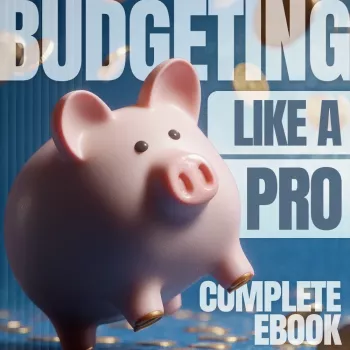
- For a guided, all-in-one option, the Budgeting Like a Pro: Complete eBook – Personal Finance Planner bundles budgeting methods, a personal finance planner format, and dedicated sections for debt payoff and savings planning.
When you’re building sinking funds for specific purchases, it also helps to separate “saving” from “shopping.” For example, if a travel upgrade is a priority, creating a dedicated category for luggage can keep the purchase intentional rather than impulsive—then you can spend confidently when the fund is ready, whether that’s a 20-Inch Rolling Trolley Suitcase with Front Opening and Password Lock or something similar that fits your trip style.
Common budgeting problems (and quick fixes)
FAQ
What is zero-based budgeting in plain terms?
Zero-based budgeting means every dollar of take-home income is assigned a purpose—bills, spending, savings, sinking funds, or extra debt payoff—so the plan ends with $0 unassigned. You’re not “spending everything”; you’re deciding where it goes before it disappears.
Is the 50/30/20 rule good if income is tight?
It’s a helpful benchmark, not a pass/fail test. If needs are above 50%, adjust the ratios, trim wants where possible, and still automate a small pay-yourself-first amount so the habit stays intact.
Should extra money go to debt or savings first?
A common balanced approach is to build a small starter emergency fund first, then prioritize high-interest debt while continuing modest savings and sinking-fund contributions. That way, routine surprises don’t push you right back onto a credit card.















Leave a comment